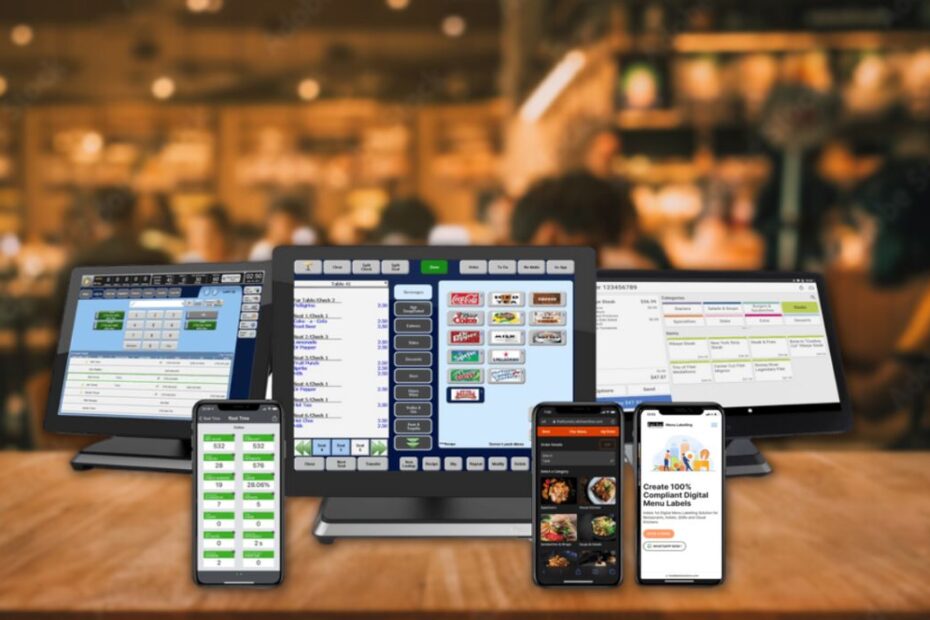
Restaurant Management Software technology has emerged as a key enabler, transforming how restaurants operate and serve their customers. Restaurant management software is one such innovation that is revolutionizing the industry. It streamlines day-to-day operations, enhances customer experiences, Restaurant Management Software and ultimately contributes to profitability. This blog will explore what restaurant management software is, its key features, the benefits it offers to restaurant owners and customers alike, and how it is reshaping the food service industry.
What is Restaurant Management Software?
Restaurant management software (RMS) is an integrated system designed to handle the operational, administrative, and customer-facing aspects of a restaurant. Restaurant Management Software It typically consists of various modules such as point of sale (POS), inventory management, employee scheduling, and customer relationship management (CRM). Restaurant Management Software These systems can be tailored to fit the specific needs of any restaurant, be it a small café, a chain of restaurants, or a fine-dining establishment.
Restaurant Management Software With the advent of cloud-based solutions, restaurant management software has become more accessible, offering flexibility, scalability, and remote management capabilities to restaurant owners. The software can either be installed on-premises or accessed through the cloud, depending on the preferences of the business.
Key Features of Restaurant Management Software
Point of Sale (POS) System:
The POS system is the heart of any restaurant management software. It processes orders, manages payments, and keeps track of sales.Restaurant Management Software A modern POS system allows for multiple payment methods, including cash, credit cards, digital wallets, and even contactless payments. Additionally, POS systems can be integrated with online ordering platforms, enabling restaurants to manage both dine-in and delivery orders efficiently.
Inventory Management:
Inventory management is crucial for controlling costs and preventing waste. RMS enables real-time tracking of ingredients, Restaurant Management Software notifying restaurant managers when stock levels are low, and even automating reorders from suppliers. By keeping inventory levels in check, restaurants can avoid running out of key ingredients or overstocking items that might spoil.
Table Management:
For restaurants with dine-in services, table management is a key feature.Restaurant Management Software This module helps in optimizing seating arrangements, managing reservations, and ensuring timely turnover of tables. Some advanced systems even allow guests to make reservations online, further enhancing the customer experience.
Employee Scheduling and Payroll:
Restaurant Management Software Managing staff schedules can be time-consuming, especially in larger establishments. RMS offers tools to create, adjust, and communicate staff schedules easily. It also helps in tracking employee attendance and hours worked, which simplifies payroll processing. The system can also ensure that there is adequate staffing during peak hours and less staffing when it’s slower, optimizing labor costs.
Customer Relationship Management (CRM):
Knowing your customer is key to building loyalty. RMS integrates CRM features to track customer preferences, dining history, and feedback. Restaurants can use this data to offer personalized promotions,Restaurant Management Software discounts, or loyalty programs, which in turn encourage repeat business.
Analytics and Reporting:
Data-driven decision-making is critical in today’s competitive environment. Restaurant management software provides detailed reports on sales, profits, inventory levels, customer behavior, and more. Restaurant Management Software With these insights, restaurant owners can make informed decisions, optimize menus, reduce waste, and improve operational efficiency.
Online Ordering and Delivery Integration:
With the rise of food delivery services, integrating online ordering and delivery systems into RMS has become essential. Restaurant Management Software Customers can place orders directly from the restaurant’s website or app, and the software syncs these orders with the POS and kitchen display systems for smooth processing. Delivery integration ensures that delivery drivers are dispatched promptly and customers receive their orders on time.
Benefits of Restaurant Management Software
Increased Efficiency:
Restaurant management software automates various tasks, from taking orders to managing inventory and tracking staff performance. Restaurant Management Software This automation reduces human error, speeds up operations, and allows staff to focus on providing better service to customers.
Better Customer Experience:
By streamlining ordering, payment, and delivery processes, RMS ensures that customers have a seamless dining experience. Features like online reservations and digital menus also enhance customer satisfaction. Restaurant Management Software Personalized offers and loyalty programs encourage repeat visits and build a loyal customer base.
Cost Control:
Effective inventory management, labor optimization, and waste reduction help restaurants save on operational costs. With better control over resources, restaurants can improve their bottom line while maintaining high-quality service.
Improved Data Accuracy:
Restaurant management software eliminates the need for manual data entry, reducing the risk of errors in sales, inventory, or payroll records. Restaurant Management Software Accurate data ensures that financial statements are precise and helps with compliance and auditing.
Scalability:
For growing businesses, the ability to scale is crucial. Cloud-based RMS allows for easy addition of new locations, features, or employees without a complete system overhaul. Restaurant Management Software Whether a restaurant is expanding locally or globally, the software can accommodate the increased complexity of managing multiple outlets.
Enhanced Security:
Modern RMS comes with security features that protect sensitive data, including customer payment information and employee records.Restaurant Management Software This is especially important in an age where data breaches and cyberattacks are on the rise.
How Restaurant Management Software is Reshaping the Industry
The restaurant industry is undergoing a digital transformation, and restaurant management software is at the forefront of this change. Restaurant Management Software With features like contactless payments, digital menus, and online ordering, restaurants are adapting to the needs of tech-savvy consumers. Moreover, the data insights provided by these systems allow restaurants to anticipate trends, reduce waste, and improve overall profitability.
RMS has also played a key role in ensuring that restaurants can meet health and safety guidelines.Restaurant Management Software From minimizing contact between customers and staff to ensuring that inventory is managed hygienically, the software has helped restaurants stay compliant and safe.
Conclusion
Restaurant Management Software has become an essential tool for restaurants of all sizes, offering a host of features that improve efficiency, enhance customer satisfaction, and contribute to profitability. As the food service industry continues to evolve, restaurants that adopt modern RMS will be better positioned to meet the demands of today’s customers while staying ahead of the competition. Restaurant Management Software Whether you’re a small café or a large chain, investing in the right restaurant management software could be the key to long-term success.(get more info)